Autumn Budget 2026: What It Means for Students and Young People
Last updated: 30 October 2026
Chancellor John Healey delivered the Autumn Budget on Wednesday 28 October 2026. There was no big announcement on tuition fees or student loans, but several changes will still affect students, apprentices and young workers, from the minimum wage you earn in a part-time job to how you save for your first home. Here is what was announced, what it means for you and what was left out.
Autumn Budget 2026 for students: key points
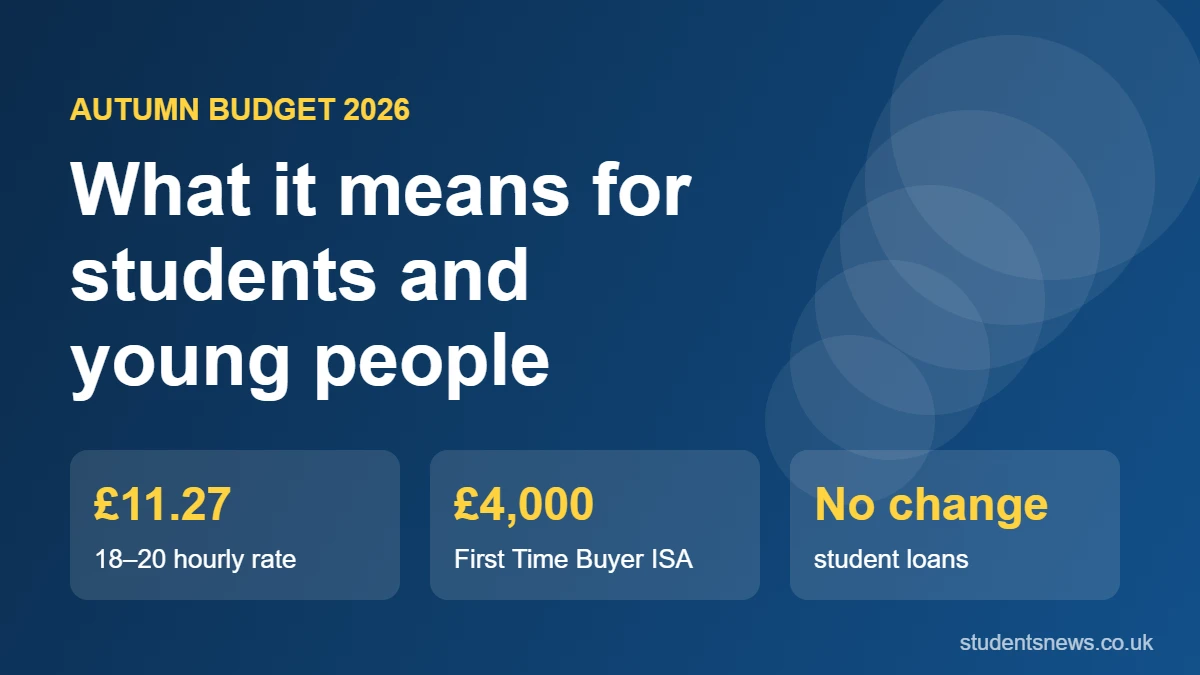
- Minimum wage up 3.9% from 1 April 2027: £11.27 an hour for 18 to 20-year-olds and £13.21 for those aged 21 and over.
- No changes to student loans: the government says the system is “under review”.
- First Time Buyer ISA: a new account with a 25% government bonus on up to £4,000 a year will replace the Lifetime ISA from 2029.
- Cash ISA allowance stays at £20,000: a planned cut was dropped.
- Help into work: a £3,000 Youth Jobs Grant for employers and a pilot Young Entrepreneurs Allowance in England.
- £100 energy payment: for households in council tax bands A to D in England this winter.
Minimum wage rates from April 2027
All National Minimum Wage and National Living Wage rates rise by 3.9% from 1 April 2027. If you work part-time alongside your studies, this is likely to be the Budget change you notice most.
| Age group | Rate now (from April 2026) | Rate from April 2027 |
|---|---|---|
| 21 and over (National Living Wage) | £12.71 | £13.21 |
| 18 to 20 | £10.85 | £11.27 |
| 16 to 17 and apprentices | £8.00 | £8.31 |
For example, an 18-year-old student working 15 hours a week on the minimum wage would earn £169.05 a week from April 2027, up from £162.75. That is about £6.30 more a week, or roughly £325 over a year. Someone aged 18 to 20 working full time would gain about £819 a year, and a full-time worker aged 21 or over about £910.
The government kept separate rates for younger workers, even though Labour had previously promised to remove the age bands. If you are under 21, check your payslip to make sure your employer pays the new rate from April.
Student loans: no changes, but a review is under way
Many graduates had hoped for changes to Plan 2 loans, the plan used by most students who started university in England between 2012 and 2023. The Budget did not change repayment thresholds, interest rates or tuition fees. The Chief Secretary to the Treasury said the student loan system is “under review”, so changes could still come later.
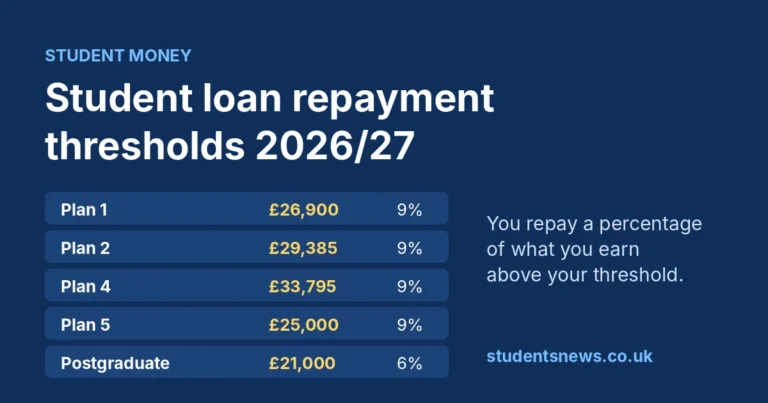
The minimum wage rise has one side effect for newer graduates. Plan 5 loans, for students starting from 2023, have a repayment threshold of £25,000 a year in 2026/27. A 21-year-old working full time on the new National Living Wage would earn around £25,760 a year, so, if the threshold stays at £25,000, they would start repaying 9% of the amount above it, about £68 a year.
For the current thresholds on every plan, see our guide to student loan repayment thresholds 2026/27.
Saving for a first home: the new First Time Buyer ISA
The Lifetime ISA (LISA) will be replaced by a new First Time Buyer ISA, expected from 2029. You will be able to save up to £4,000 a year and the government will add a 25% bonus, up to £1,000 a year. Unlike the LISA, the new account is designed so that you do not lose any of your own money if you withdraw it for another reason.
The Budget also reduces the penalty for withdrawing from an existing Lifetime ISA, and the £450,000 property price limit stays the same. If you already have a LISA, you can keep paying into it for now. Full details on how existing accounts will move across have not yet been published.
For first-time buyers in England, the Your First Home scheme, which replaces Help to Buy, lets buyers of new-build homes put down a deposit from 2.5% and take a government loan worth 20% of the price. It is aimed at young workers and graduates rather than current students, and is expected to start lending in April 2027.
Savings: cash ISA allowance stays at £20,000
The government dropped a planned cut to the cash ISA allowance, so you can still save up to £20,000 a year in ISAs tax-free. A new “Starter ISA” for first-time investors will also be developed with banks and investment providers.
Tax on savings interest outside an ISA will rise by 2 percentage points from April 2027. Most students will not be affected, because the Personal Savings Allowance lets basic-rate taxpayers earn £1,000 of interest a year tax-free, and people on low incomes can earn more through the starting rate for savings.
Jobs, apprenticeships and starting a business
- Youth Jobs Grant: employers can receive £3,000 for hiring eligible young unemployed people.
- Jobs Guarantee: extended to 22 to 24-year-olds on Universal Credit.
- Apprenticeships: smaller employers that do not pay the apprenticeship levy will receive £2,000 for taking on a young apprentice, and large government construction projects will have to employ at least 3% apprentices.
- Young Entrepreneurs Allowance: a pilot in England to help young people with living costs during their first year of running a business. The amount and eligibility rules have not been published yet.
There were no new measures for the nearly one million young people who are not in education, employment or training. The government says it will respond to Alan Milburn’s review of young people’s employment before the end of 2026, with a white paper in early 2027.
Energy bills and the £100 payment
Around 20 million households in England in council tax bands A to D will receive a £100 Household Energy Payment this winter, paid directly into bank accounts. Gas standing charges are also being removed from bills, starting in 2027 or as soon as possible after.
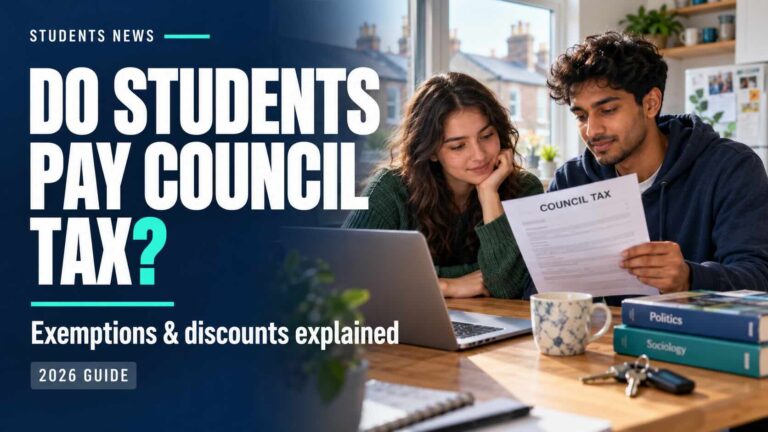
It is not yet clear how the £100 payment will work for students. Halls of residence and homes where everyone is a full-time student are usually exempt from council tax, so watch for the official eligibility rules. Our guide explains whether students pay council tax.
Renting
The Chancellor said two in five young people spend more than a third of their income on rent, but there was no new help for renters. Tax on landlords’ rental income will rise by 2 percentage points from April 2027, and some economists warn that part of this could be passed on to tenants through higher rents over time.
What the Budget left out for students
- No change to tuition fees or maintenance loans.
- No change to student loan repayment thresholds or interest.
- No new support for student rents.
- No new measures for young people not in work or education, pending the Milburn review.
Frequently asked questions
Did the Budget change student loans?
No. There were no changes to repayment thresholds, interest rates or tuition fees. The government says the student loan system is under review.
What will the minimum wage be in April 2027?
From 1 April 2027 it will be £13.21 an hour for those aged 21 and over, £11.27 for 18 to 20-year-olds and £8.31 for 16 to 17-year-olds and apprentices.
Is the Lifetime ISA being scrapped?
It will be replaced by a First Time Buyer ISA, expected from 2029, with a 25% bonus on up to £4,000 a year. Existing LISA savers should wait for the official details before making changes.
Will students get the £100 energy payment?
The payment is for households in council tax bands A to D in England. Many student households are exempt from council tax, so it is not yet clear whether they will qualify. The government is expected to publish the details before payments are made.
More student money guides
- Student finance payment dates 2026/27
- Best student bank accounts 2026/27
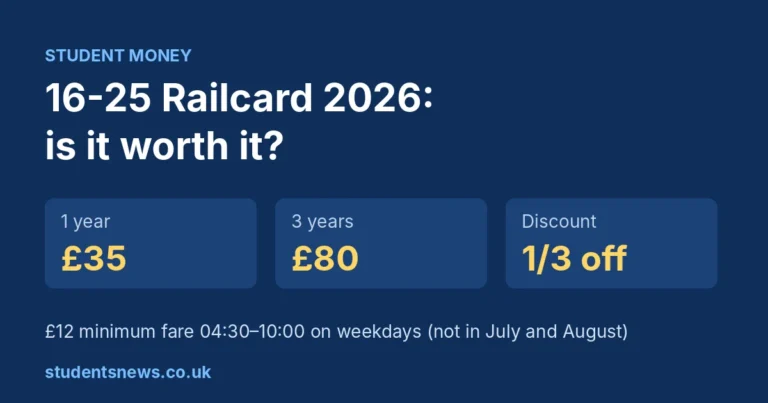
- 16-25 Railcard 2026: price and £12 minimum fare
Sources: HM Treasury Budget 2026 documents and policy costings; BBC News, “What the Budget offers for under 25s” (28 October 2026); FE News; Youth Employment UK. Figures may change when full details are published. We will update this article.